Are Subscription and Battery Brushes Worth It?

Short answer

The handle is cheap; the heads are not always. Over three years the heads decide the cost. The subscription brands in this catalog sell optional auto-ship at the same prices as buying heads outright, so there is no required fee to add, but their heads are some of the dearest per unit.

How the brands sell

quip and BURST built their names on direct-to-consumer brushes with heads mailed on a schedule. On their stores today the refills are sold both ways, one-off or auto-shipped, and the per-head price is the same either way, so this site treats auto-ship as a convenience rather than a subscription and does not add a fee to the three-year cost.

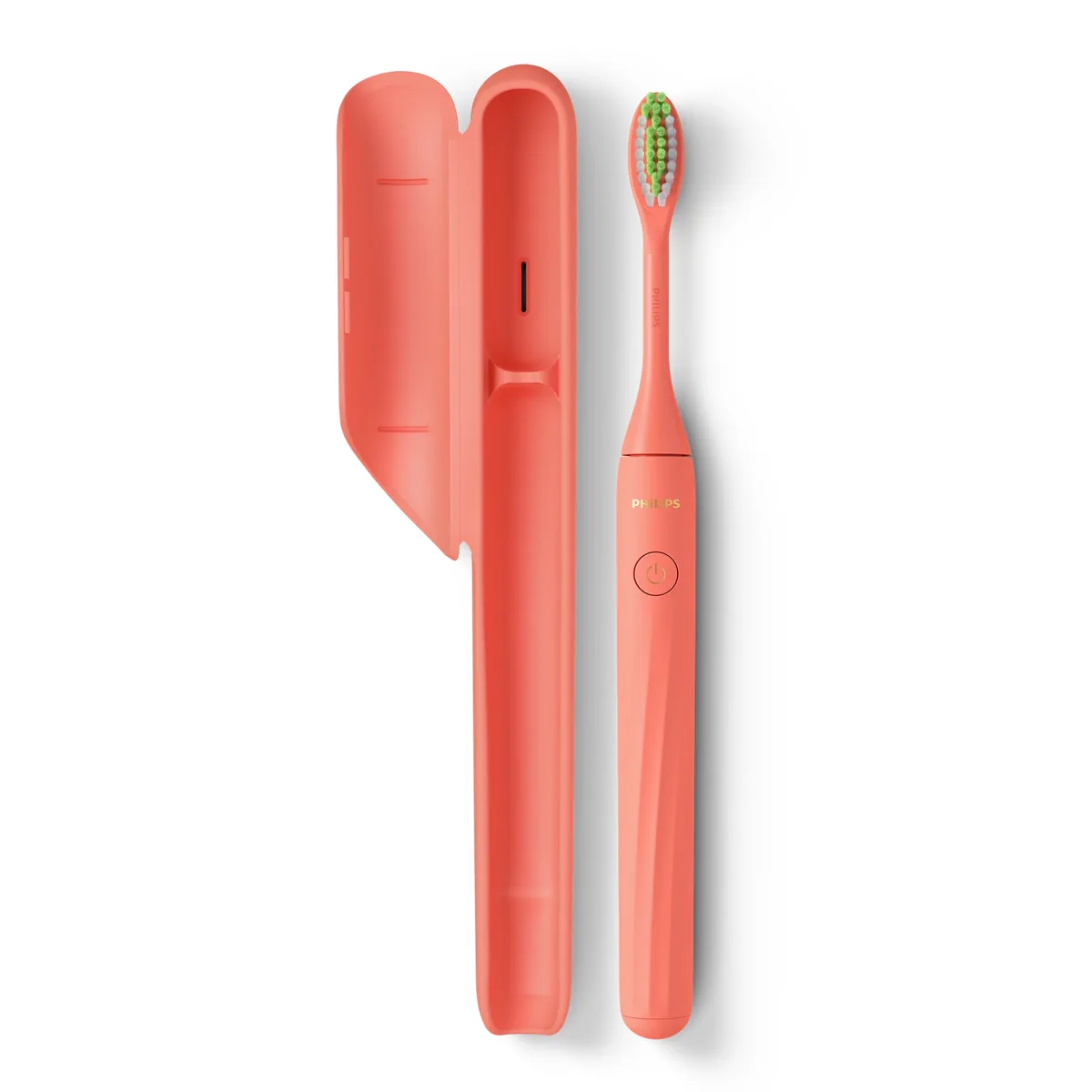
The AAA brushes here (Philips One by Sonicare (Battery), Philips One for Kids by Sonicare, quip Sonic Toothbrush, quip Kids Sonic Toothbrush, BURST Nova) avoid a charger entirely. Their makers quote up to three months per battery where they publish a figure. The cost of batteries is not in this site's three-year figure; at two sessions a day for three years you will buy roughly a dozen AAAs.

The trade

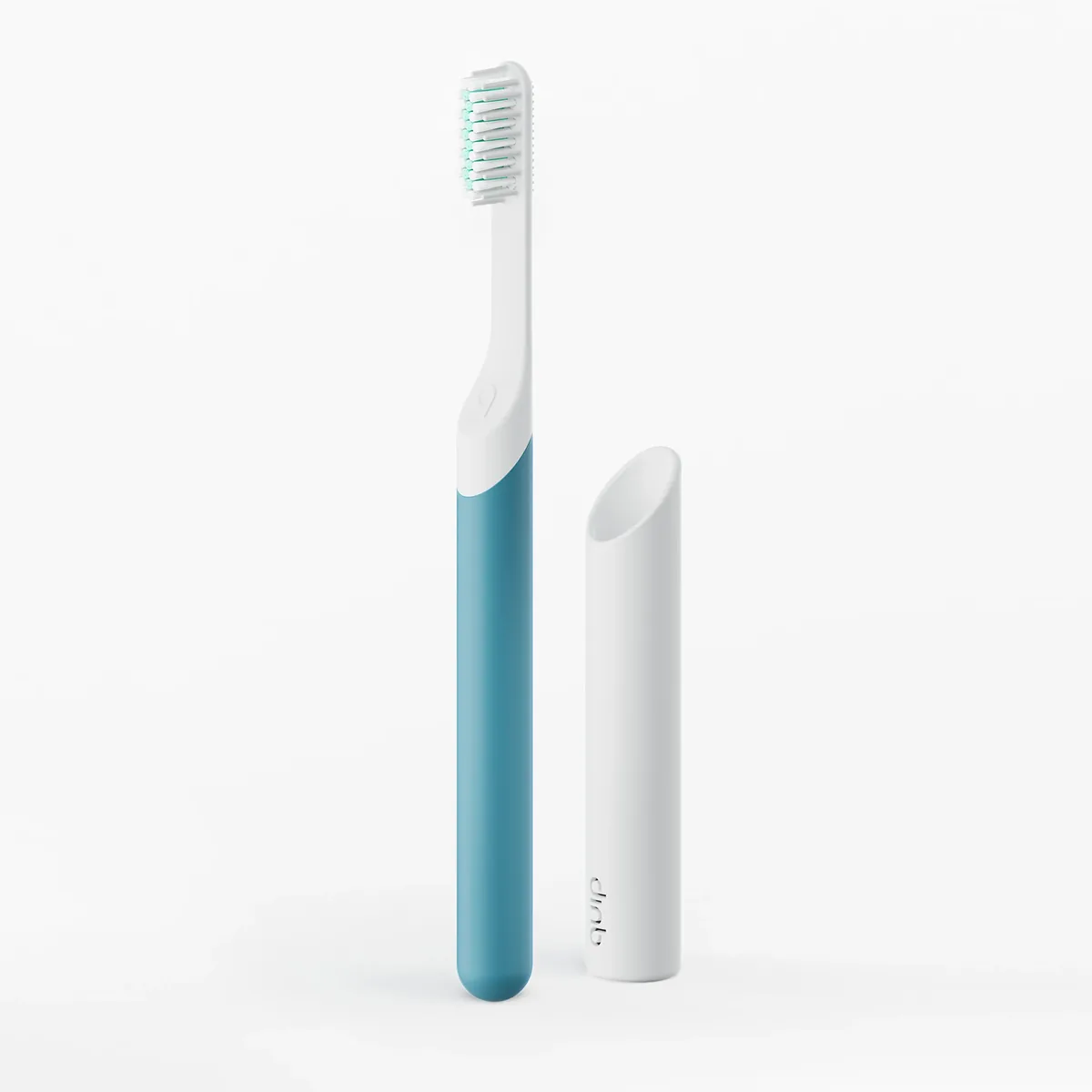
What the low price usually gives up is the pressure sensor and modes. quip's original Sonic has a single gentle mode and, by quip's own description, is meant to be used with a manual back-and-forth technique. The payoff is weight, simplicity and a cover that doubles as a mirror mount. For a second brush, a travel brush or someone who dislikes strong vibration, that is a reasonable trade; as a main brush, compare the three-year cost with a rechargeable that has a sensor.

Sources

Maker claims quoted on this page are the maker’s own and are labelled as such. This page is general information, not dental or medical advice.

Brushes this comes up with

Related

  • How Often to Replace Brush Heads, and Whether Third-Party Heads Are Fine

    The ADA says every three to four months, or sooner if the bristles are matted or frayed; most makers say three. Genuine heads in this catalog run from about $3 to $10 each. Third-party heads can be cheaper, but they are not the product the maker's figures, or any ADA listing, describe.

  • Kids' Electric Toothbrushes by Age

    Makers set their own starting ages, from 2 to 6 across this catalog, and some state none. An adult should still supervise: the brushes time the two minutes, and none of the kids' models here lists a pressure sensor.

  • How to read a toothbrush spec sheet

    Every specification explained, with the real numbers from the catalog behind each one.