Electric Toothbrushes With Braces, Bridges and Implants

Short answer

The ADA notes that people with dental appliances such as braces may find a powered brush easier to use. The features that match the usual advice are a pressure sensor and a gentle mode. Your orthodontist or dentist decides what is right for your appliance; this site does not.

What the ADA says

The ADA's toothbrush guidance says both manual and powered brushes remove plaque effectively, and that people with dental appliances like braces may find a powered brush easier to use. It does not recommend a particular design for braces or implants, and neither does this site.

Features that line up with common advice

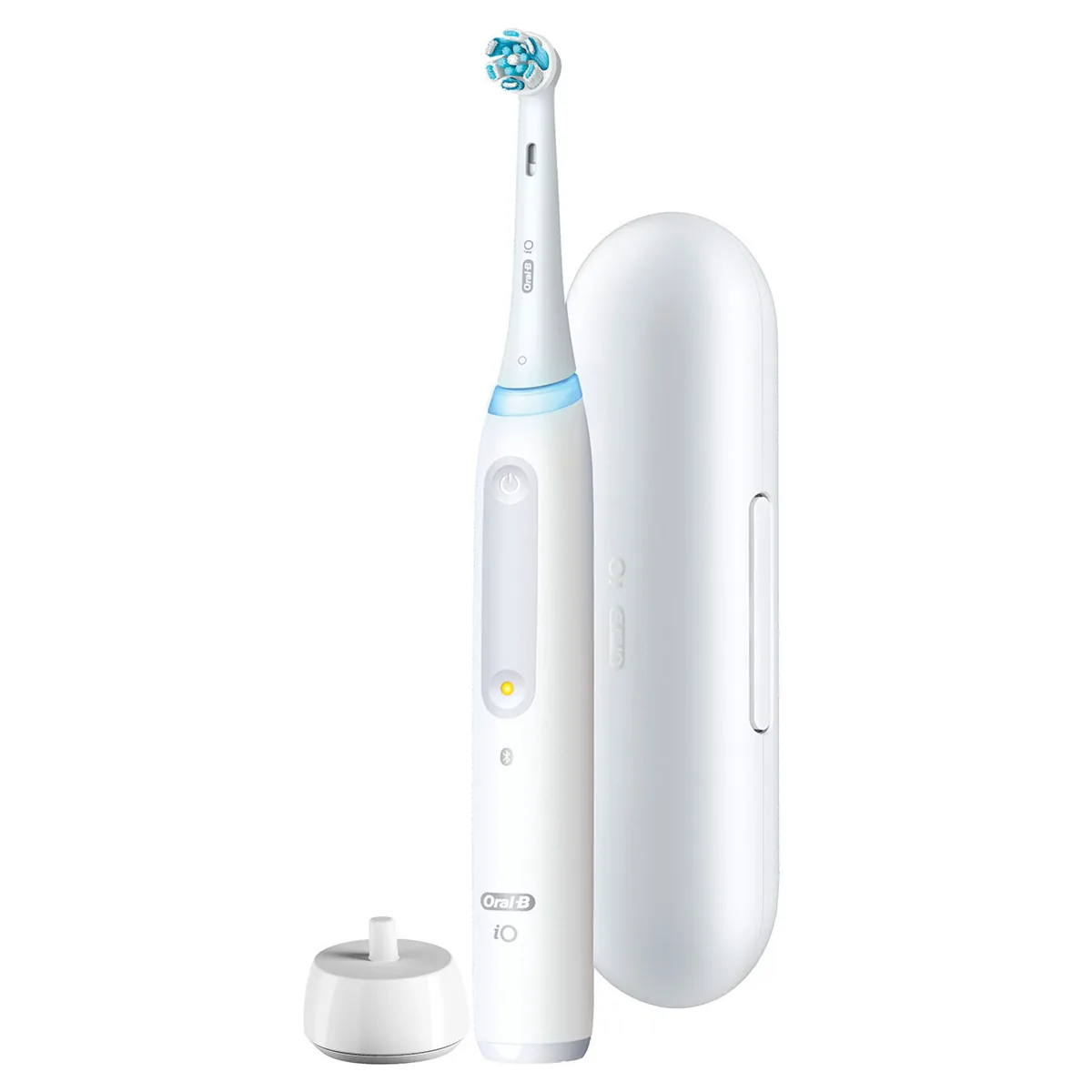
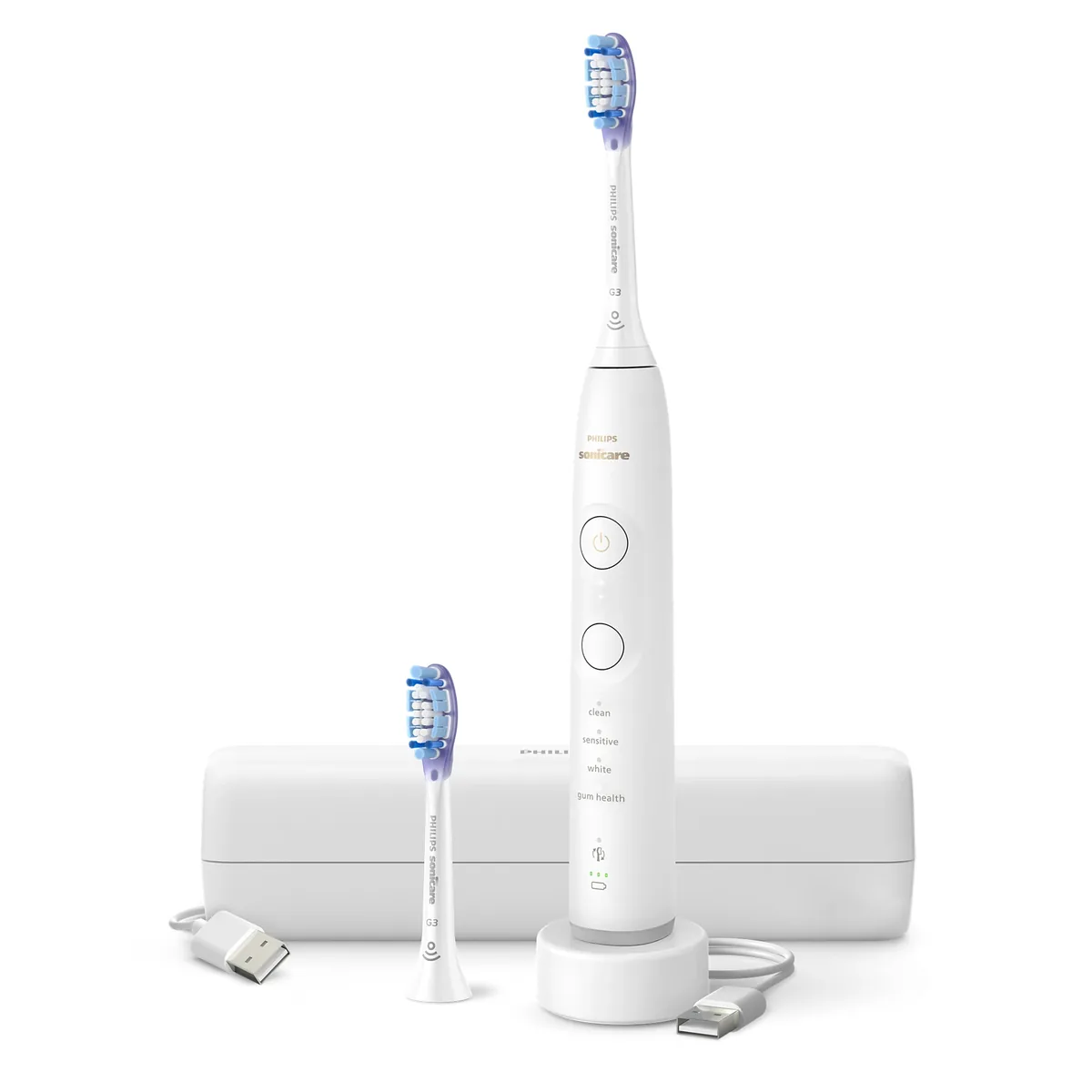
If your dental team has told you not to scrub hard and to clean carefully around brackets, bridges or implants, the features a maker can list that correspond to that are a pressure sensor, a sensitive or gentle mode, and a head designed for orthodontic work or between-teeth cleaning. Oral-B, Sonicare and Waterpik each sell specialty heads for some handles; check the maker's head range for the specific handle.

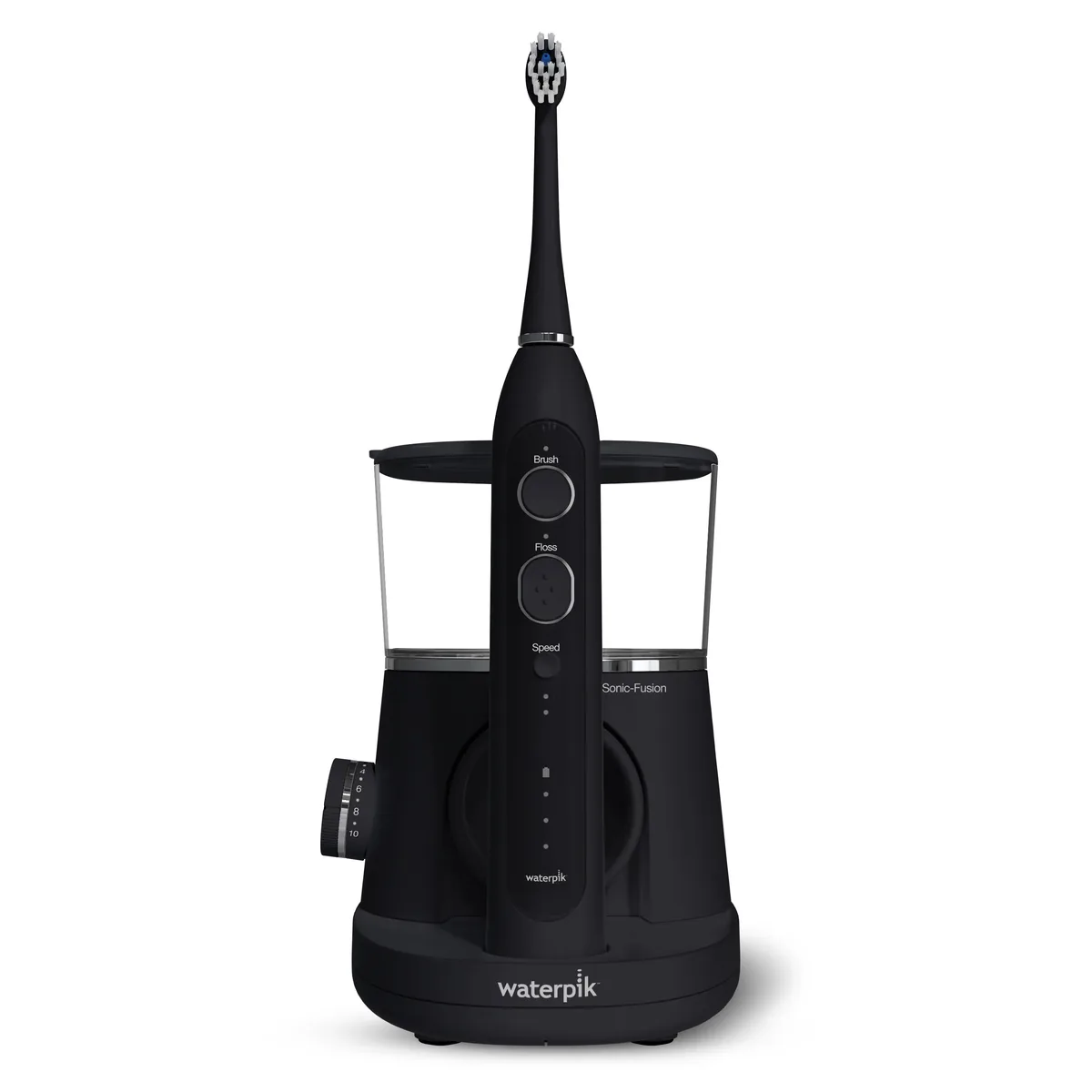
Water flossing is a separate question. The Waterpik Sonic-Fusion in this catalog combines a brush with a water flosser; whether water flossing suits your appliance is one to ask your dental team.
The shortlist

The guide to brushes for braces and sensitive gums lists every model here with both a pressure sensor and a gentle, sensitive or gum mode, cheapest to own first. It is built from features, not outcomes.

Sources

Maker claims quoted on this page are the maker’s own and are labelled as such. This page is general information, not dental or medical advice.

Brushes this comes up with

Related