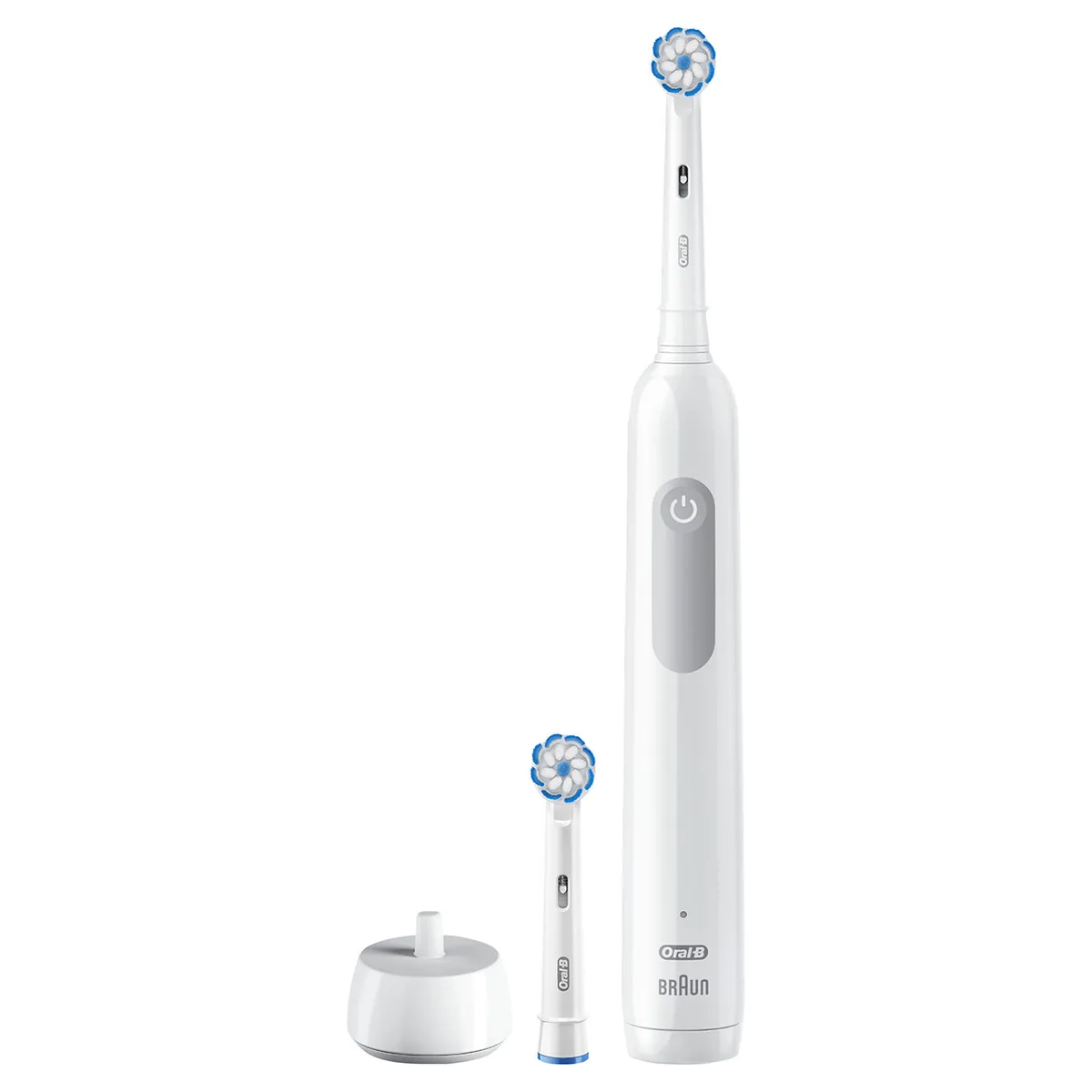
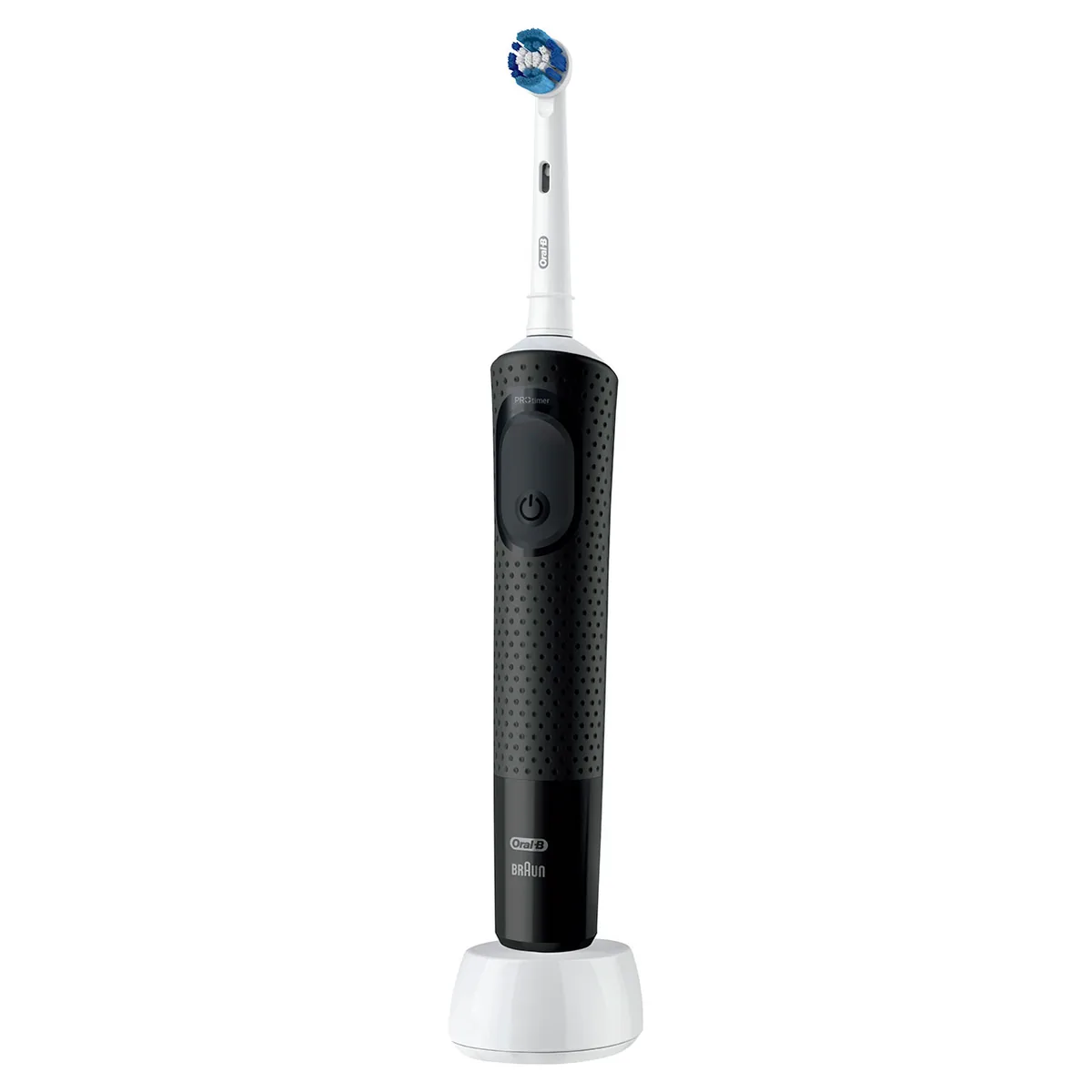
Oral-B iO Series 2
Oscillating-rotating
- 3-year cost
- ~$144
- Price per head
- $7.22
- Battery
- 28-day battery
- 4-week battery
- Starts on sensitive
- ADA-listed series
Best for: Someone moving from a manual brush who wants the iO head without paying for a screen
Oscillating-rotating~$60Oral-B
At the snapshot price this was the cheapest iO handle on oralb.com, a few dollars under the iO2. What it adds is the three-state pressure light found on the upper iO models, which shows too soft and just right as well as too hard. The box holds the handle, one Ultimate Clean head and a charger, and nothing else.
Approx. price
~$60
maker's store, not a live price
Best for: The cheapest way into the iO head and pressure light
Multi-signal pressure sensor. Oral-B's description: Visible iO pressure sensor signals too little, the right amount of, or too much pressure.
ADA Seal listing: Oral-B iO Series on the ADA’s own product search.
These are facts about features and listings, not a statement that the brush prevents or treats anything. What a pressure sensor does · What the ADA Seal means
12 heads over 36 months at Oral-B's stated 3-month interval, less 1 head in the box. Head price: Oral-B iO Ultimate Clean 9-count, $64.99 on oralb.com. How this is worked out
What the extra money buys: The cheapest Oral-B model with iO magnetic drive (Oral-B's name for it; no speed published) and a pressure sensor. 7 pricier siblings share both. See Oral-B iO Series 2, Oral-B iO Series 4, Oral-B iO Series 5.
The two lists above are drawn from the maker’s own pages and prices, not from owner reports. Where owner discussion has been read it appears in its own section below, so the two are never mistaken for each other.
The iO3 comes up most often as a first electric brush or an upgrade from an older Oral-B Pro, and the question owners ask is whether it is worth the jump over a Pro 1000 or an iO2. Its draw is the iO head and the pressure light at a low price.
The complaints are the iO family's: water escaping through the head's vents during brushing, and residue or mould building up inside the head even for owners who take it apart and rinse it. Some owners now clean theirs weekly with a pick or an ultrasonic cleaner. Head prices are the other drawback owners raise, since iO heads cost more than the round heads older Oral-B handles take.
Owners who want the iO feel without the app or a screen see the iO3 as the sensible entry point; those put off by the cleaning routine are often pointed back to a Pro 1000 or to a Sonicare.
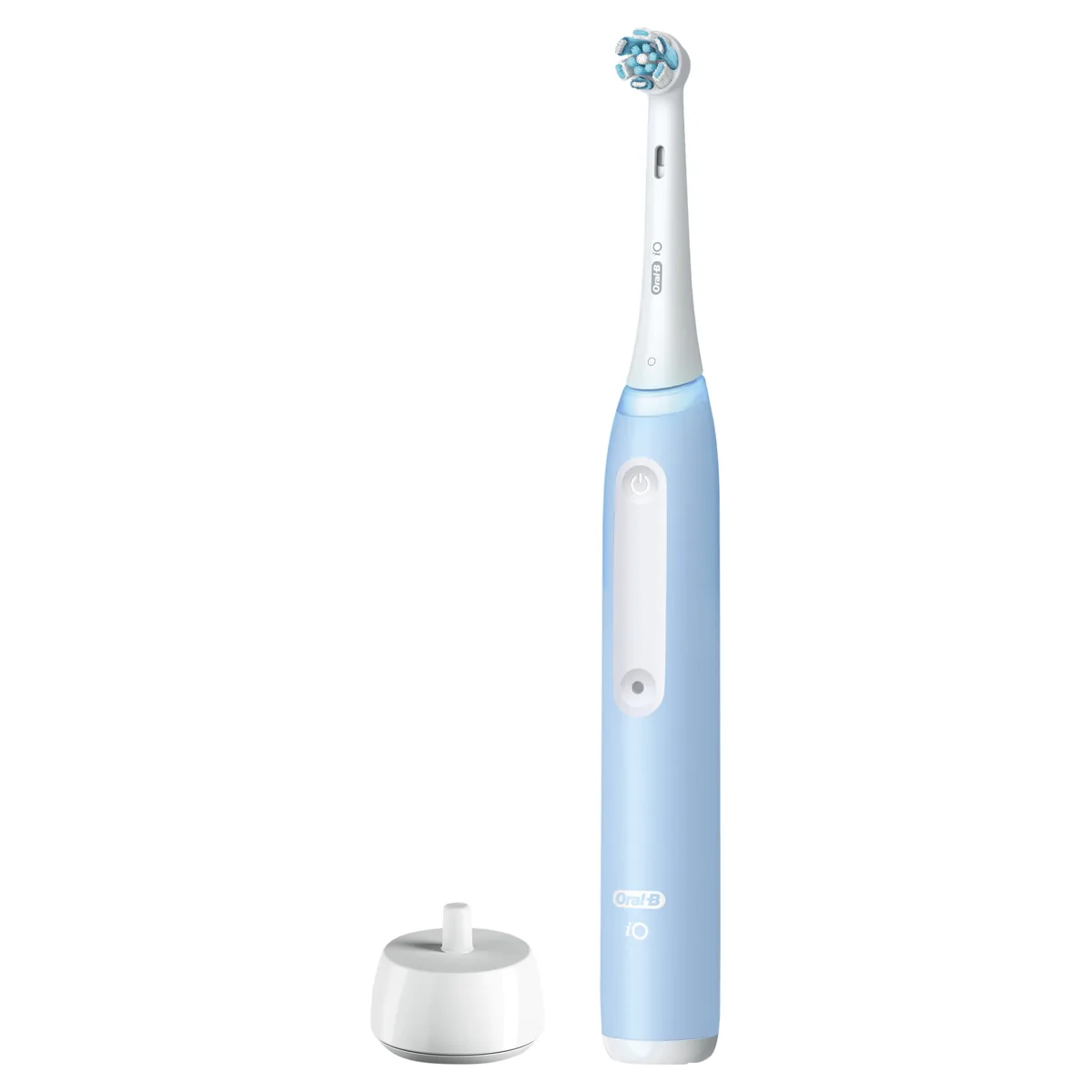
It is one of the most common questions. The iO3 gets the newer iO head and a three-state pressure light; the Pro 1000 is cheaper to run on older round heads. Owners wary of the iO cleaning routine often choose the Pro.
Some owners report gunk inside the head within a month or two even with rinsing; others do not. Taking the head off after each use and letting both parts dry helps, and some owners add a weekly deeper clean.
Owners describe water and toothpaste escaping through the vents in the iO head. It is a design trait of the iO heads rather than a fault in one handle.
Owners weigh the iO3's three-state pressure light and different mode set against a lower price. At Oral-B's own store the two were priced within a few dollars of each other at the snapshot, so check current prices before deciding.

Oscillating-rotating
Best for: Someone moving from a manual brush who wants the iO head without paying for a screen

Oscillating-rotating
Best for: A low running cost on a round-head brush

Oscillating-rotating
Best for: A basic rechargeable for a second bathroom or a teenager